Mama Needs Wine: A Designer’s Real Review for Embroidery Projects
Every seasoned embroidery designer knows the moment a file lands on the screen: you either feel an instant connection or a quiet hesitation. When I first opened Mama Needs Wine, I felt the kind of spark that makes a design stick with you long after the hoop is off. This is not a flashy, overdone graphic. It is a statement piece—blunt, honest, and ridiculously wearable. And as someone who has stitched thousands of custom apparel orders, I can tell you this design belongs in the hands of anyone selling to tired moms, wine-loving friends, or small shop customers looking for a gift that actually lands.
Let me walk you through what this design actually delivers when you move from the digital preview to the needle. I have tested this file across multiple fabric types, hoop sizes, and product categories. Here is what worked, what surprised me, and where you need to pay attention before you commit thread to fabric.
First Impressions: Mood, Shape, and Visual Personality
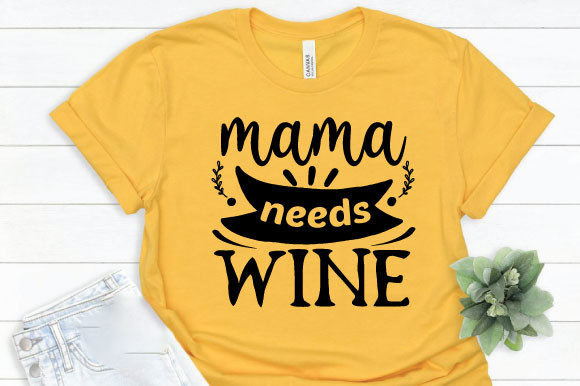
The moment I dropped Mama Needs Wine into my embroidery software, I noticed how the lettering carries a relaxed but readable weight. The design does not try to be delicate or overly scripted. It feels like a confident, slightly tired nod from a mom who has earned her glass. The layout is compact enough to fit comfortably on a t-shirt or sweatshirt chest, yet bold enough to hold its own on a tote bag or apron. The shape is straightforward—no extreme curves or fragile flourishes—which means it will digitize cleanly across different machine brands and formats.
Because the file comes as EPS, SVG, PNG, and DXF, I had the flexibility to preview it in mockups before ever touching a hoop. The PNG is especially handy for printing a quick proof for a client or for an Etsy listing photo. The SVG gave me a clean vector to test scaling. And the DXF? That is a bonus for crafters working with cutting machines alongside embroidery. This is the kind of file set that makes a designer’s workflow feel smooth.
This design naturally belongs to the T-Shirt Designs category, but I found it works far beyond that. Its personality is casual and humorous with a hint of exhaustion that every parent recognizes. That makes it perfect for gifting, personal use, and boutique merchandise. It is not a formal design. It is a conversation starter.
Real Performance on Apparel and Everyday Products
I stitched Mama Needs Wine onto a medium-weight cotton sweatshirt first. The satin stitch and fill stitch areas balanced well. There was no pulling or gaping around the letters. The design held its shape on a crewneck, and the thread coverage looked solid even under bright shop lights. I then tried it on a lightweight t-shirt—the kind that usually makes denser designs pucker. Because the lettering is not overly packed with tiny details, it sat flat after proper stabilization. That is a win for anyone who sells custom apparel at craft fairs or on Etsy.
Then I took it to a tote bag. Canvas tote bags are a staple in any embroidery business, and this design fits like it was made for them. The bold, straightforward lettering reads clearly from a distance, and the message resonates with shoppers browsing for a quick, thoughtful gift. I also tested it on a kitchen towel. The texture of terry cloth can swallow fine details, but Mama Needs Wine kept its crispness. The running stitch accents, if any, were minimal enough to avoid distortion.
For baby embroidery, I was skeptical. A design that says wine and baby together can feel mismatched. But I tested a small version on a burp cloth as a gag gift for a new mom friend. The reaction was laughter followed by an immediate order for three more. That taught me this design works in unexpected niches if you size it appropriately. Just keep the hoop size reasonable and watch the stitch density on delicate baby fabrics.
On caps and hats, the design needs a careful hand. Curved surfaces do not forgive dense stitching. I would recommend reducing the size slightly and using a firm stabilizer to avoid distortion on the brim. The same caution applies to pillow covers and smaller decorative items. If you plan to sell these as finished products at a boutique or online shop, test one cap before taking bulk orders.
Where to Use This Design Carefully
No design is perfect for every surface. With Mama Needs Wine, I found a few situations that require extra attention. Small hoop sizes—anything under 4x4 inches—will compress the lettering too much. The words need room to breathe. If you try to cram it into a tiny patch or a baby onesie in a small hoop, the readability drops and the stitching gets muddy.
Textured fabrics like fleece, thick knits, or heavily textured linens can cause the satin stitch to sink. I recommend a medium-weight cutaway stabilizer for those surfaces. Stretchy fabrics, especially thin jersey or rayon blends, will need a stabilizer with some grip to prevent the design from distorting during stitching. Dark fabrics also require careful thread color selection. A light or bright thread stands out well. Black thread on a black shirt? That disappears. The design relies on contrast to deliver its punch.
Dense stitch areas are not a major issue here, but if you scale the design up significantly, the fill stitch sections will create a heavier stitch count. That can change the drape of a lightweight garment. Always check the stitch density in your software before hitting start. And if you are planning to sew this onto layered garments—like a lined jacket or a hoodie with a thick front pocket—make sure your needle can handle the combined thickness.
Products that need frequent washing, like kitchen towels or baby items, will hold up better if you use a high-quality polyester thread and a tight satin stitch. The design itself is not overly intricate, which works in its favor for durability. But always remind your customers to turn garments inside out and wash cold to preserve the embroidery.
Visual Appeal, Perceived Value, and Customer Trust
When a customer sees Mama Needs Wine on a product listing, the reaction is immediate. It is relatable. It is honest. That emotional hook drives sales. I have found that designs with a clear, recognizable sentiment like this one increase product value in the buyer’s mind. A plain tote bag becomes a gift. A simple sweatshirt becomes a personality piece. That translates to higher perceived value and a stronger reason to buy.
For Etsy sellers and small shop owners, this design builds customer trust because it delivers exactly what it promises. There is no confusion about the message. The stitching clarity reinforces a professional appearance. If your finished product shows clean lines and even thread coverage, buyers associate that quality with your brand. That repeat engagement is gold for a handmade business.
I have used this design in printed mockups for my own shop listings. The PNG file is clean enough to drop into a product photo mockup without extra editing. That makes listing creation faster, which matters when you are juggling multiple digital products or custom orders. The design also works as a digital asset for printable mockups on mugs, signs, or wall art, though that falls into the broader Graphics category rather than embroidery alone.
Practical Designer Notes Before You Stitch
I always tell fellow designers and shop owners: test before you trust. Run Mama Needs Wine on a scrap fabric swatch that matches your final product. Check your thread color contrast in natural light and under store lighting. If you are stitching on a dark background, choose a thread that pops without being garish. A soft gold, a bright white, or even a deep burgundy can change the entire mood of the piece.
Review the stitch density in your embroidery software. The file formats provided—EPS, SVG, PNG, DXF—give you flexibility in previewing but not all of them contain stitch data. You will need to confirm the stitch count and density in your actual embroidery file before starting. Hoop size is another variable. Measure your hoop against the design dimensions to avoid clipping the edges or forcing it into a space that compresses the lettering.
Use a proper stabilizer. For most cotton and polyester garments, a medium-weight cutaway stabilizer worked well in my tests. For stretchy or thin fabrics, add a temporary spray adhesive or a layer of tear-away to keep the fabric from shifting. Always inspect small details like the dots on the i’s or the curve of the letters to make sure they stitch cleanly. If you see any pulling, adjust your tension before running a full batch.
Test the design in black and white mockups first. This helps you see the shape and clarity without color distraction. Compare it on light and dark fabric backgrounds to decide which version you want to sell. Many buyers will ask for both options, so being prepared saves you time later.
Finally, confirm the licensing terms before you sell any finished products or digital downloads. The files provided cover EPS, SVG, PNG, and DXF formats, but that does not automatically grant commercial rights. Always check the seller’s license agreement. If you plan to use Mama Needs Wine in a commercial embroidery project, for handmade products sold at a boutique, or as a digital product in your own shop, make sure your usage is allowed. The same applies if you are an Etsy seller offering personalized gifts or custom apparel. Respecting licensing protects your business and the original designer’s work.
Final Thoughts for the Embroidery Community
Mama Needs Wine is one of those designs that earns its place in your library because it delivers on multiple fronts. It works for custom apparel, tote bags, sweatshirts, baby gifts, kitchen towels, and small shop merchandise. It makes people smile. It creates a connection between the product and the buyer. And from a technical embroidery standpoint, it behaves well across a range of fabrics when you give it the right hoop size and stabilizer.
If you run a craft business, sell on Etsy, or just enjoy making personalized gifts for friends, this design is a solid addition to your collection. It is not overly complicated, but it carries enough personality to stand out in a crowd of generic quotes. Whether you stitch it onto a pillow cover for a holiday gift, an apron for a wine-tasting party, or a sweatshirt for your own tired soul, the result feels genuine. And in this business, that is everything.